Bike Light Guide

Choose lights that match the ride.

A good bike light setup is not only about brightness. It is about beam shape, side visibility, mount stability, battery rhythm, weather readiness, and how confidently you can ride through early mornings, late commutes, shaded paths, and changing road conditions.

Front Helps illuminate the path and signal your direction
Rear Helps drivers, riders, and pedestrians notice you sooner
Side Improves visibility at crossings, turns, and intersections
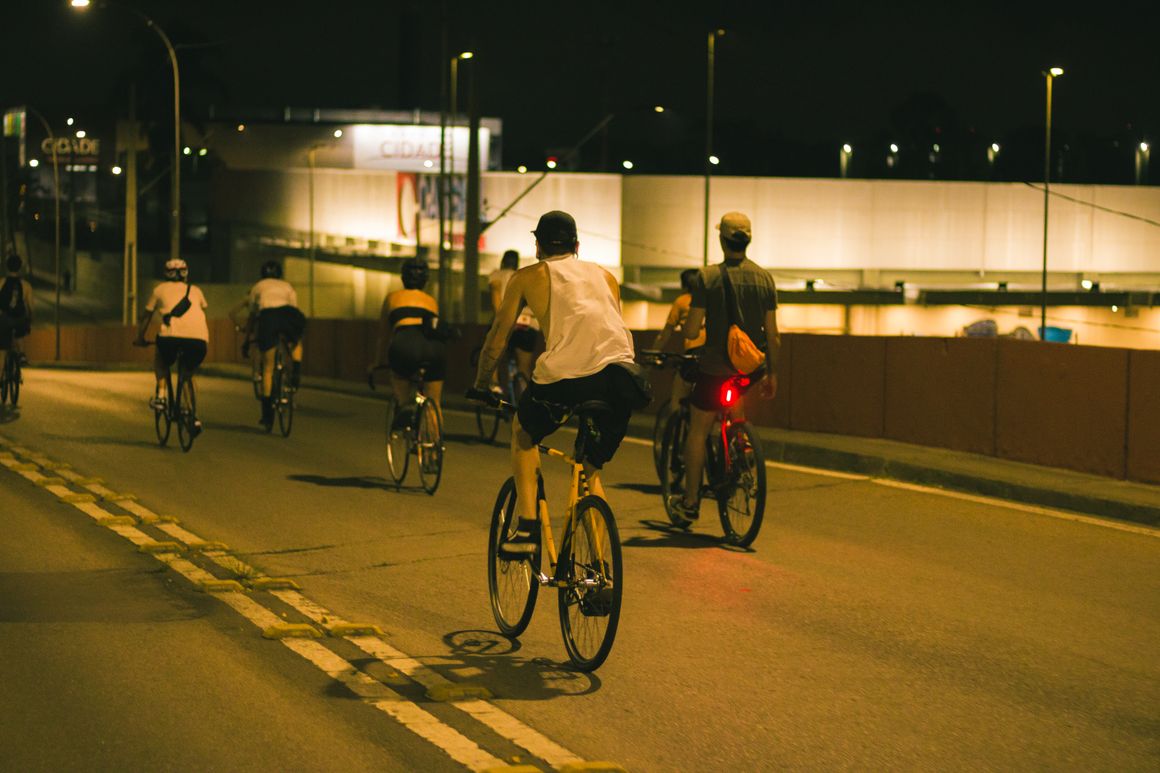
Cyclists riding at night with visible rear lights on the road
Night Visibility Match your front beam, rear signal, and reflective gear to the speed and environment of your ride.
Start Smart

Four details matter most.

Before comparing models, focus on the riding problem you need to solve. A compact commuter light, a wide trail beam, a daytime flashing rear light, and a long-run endurance setup are built for different priorities.

Buying Basics
01

Brightness

More output can help on unlit paths, but controlled brightness matters too. A useful light should give you enough reach without creating unnecessary glare for other riders or traffic.

Urban visibility Trail illumination Daytime attention
02

Beam Shape

A narrow beam reaches farther, while a wider beam helps with corners, curbs, gravel edges, and road texture. For daily riding, balanced spread is often more useful than raw intensity.

Spot beam Flood beam Cutoff beam
03

Run Time

Battery life should match your longest realistic ride, plus extra time for detours, cold weather, traffic delays, and forgotten charging. Choose the mode you will actually use most often.

Commute mode Reserve mode USB charging
04

Mount Security

A bright light is only helpful when it stays pointed correctly. Look for mounts that hold angle, resist vibration, and remove cleanly when you park outside or carry your bike indoors.

Bar mount Seatpost mount Helmet option
05

Weather Ready

Rain, road spray, dust, and seasonal grime can affect charging ports, buttons, lenses, and brackets. A practical light setup should be easy to wipe down and reliable after wet rides.

Sealed housing Protected port Easy cleaning
06

Signal Style

Steady beams help you see consistently. Pulse and flash modes can help you stand out during the day or in traffic. Use settings thoughtfully and avoid distracting other road users.

Steady mode Pulse mode Low battery cue
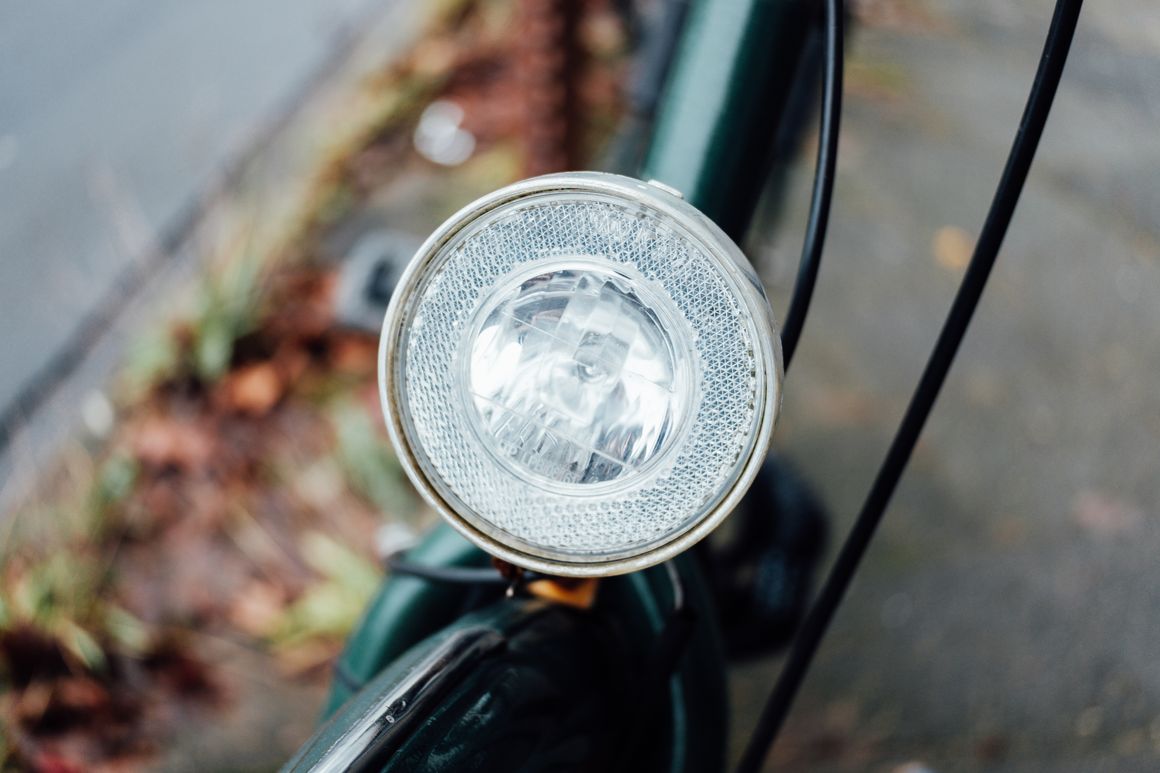
Close-up of a bicycle headlight mounted on an urban bike
Front Light Choice Look for a beam that supports your route, not only the brightest number on the box.
Ride Matching

Pick by environment.

Bike lights perform differently on city streets, park paths, gravel routes, and mixed commuting loops. Start with where you ride most often, then build a setup that covers the edge cases.

City Commute

Choose a compact front light with good side visibility, a dependable rear light, and quick charging for frequent short rides.

Unlit Roads

Prioritize a stronger front beam with stable mounting, longer run time, and a setting that keeps the road surface readable.

Trail and Gravel

Use wider illumination, secure brackets, and enough reserve power for slower technical sections and unexpected delays.

Daytime Riding

A visible rear signal and front attention mode can help add presence during bright, busy, or visually complex conditions.

Light Logic

Build a complete setup.

A balanced kit combines forward visibility, rear awareness, angle control, and battery discipline. This is the simple RideSphere framework for evaluating a bike light setup before you ride.

See

Use a front beam for the road ahead.

Aim the light so it reveals surface texture, lane edges, debris, potholes, and turns without shining directly into other riders or drivers.

Be Seen

Add a rear signal for following traffic.

Position the rear light where bags, jackets, racks, or saddles will not block it during real riding posture.

Be Readable

Increase side presence at crossings.

Reflective gear, wheel visibility, and careful lane positioning can help your movement become easier to understand from multiple angles.

Stay Ready

Charge before the battery becomes urgent.

Create a weekly charging habit and carry a backup option for longer commutes, low temperatures, and rides that may extend after dark.

Beam Control

Aim matters as much as output.

A properly aimed bike light helps you read the road while keeping the ride considerate. Recheck the angle after mounting, after rough pavement, and after placing bags or accessories on the bike.

01

Set the bike on level ground.

Sit near your normal riding position and check where the beam falls in front of the wheel, not while the bike is leaning on a wall.

02

Lower the brightest center.

Keep the strongest part of the beam directed toward the path ahead instead of eye level for oncoming riders, walkers, or drivers.

03

Test at real riding speed.

Ride a short route and confirm you can see corners, surface changes, curb edges, and obstacles early enough to react smoothly.

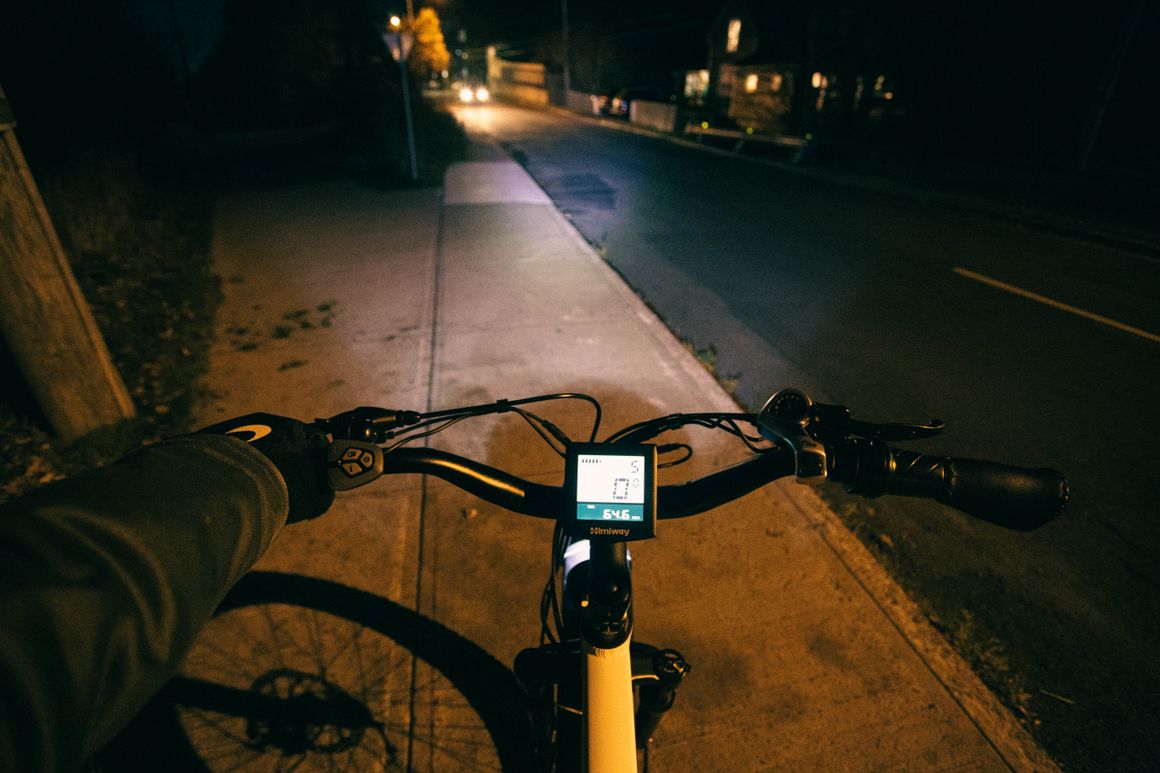
Cyclist point of view at night showing a bike light illuminating the path ahead
Real Route Test Check beam angle on the kind of pavement, path, and speed you actually ride.
Pre-Ride Checklist

Check before rolling out.

A fast inspection can prevent the most common lighting problems: low battery, loose mounts, blocked rear signals, glare, dirty lenses, and forgotten backup lights.

Ride Ready

Charge Level

Confirm your front and rear lights have enough power for the full route, return ride, and possible delays.

Mount Angle

Make sure the beam is aimed toward the road and the bracket does not rotate when the bike hits bumps.

Rear Visibility

Check that jackets, saddle bags, baskets, cargo racks, or backpacks do not cover the rear light.

Lens Surface

Wipe away rain spots, mud, dust, and road film so light output stays clean and readable.

Mode Choice

Use steady illumination when you need to see the route, and use attention modes responsibly in traffic.

Backup Plan

Keep a small spare light or charging cable ready if your ride often extends beyond your expected schedule.

Weather Seal

Close charging covers fully and inspect the housing after wet rides, especially near buttons and ports.

Local Rules

Review local bicycle lighting requirements for your area, especially for night riding and public roads.

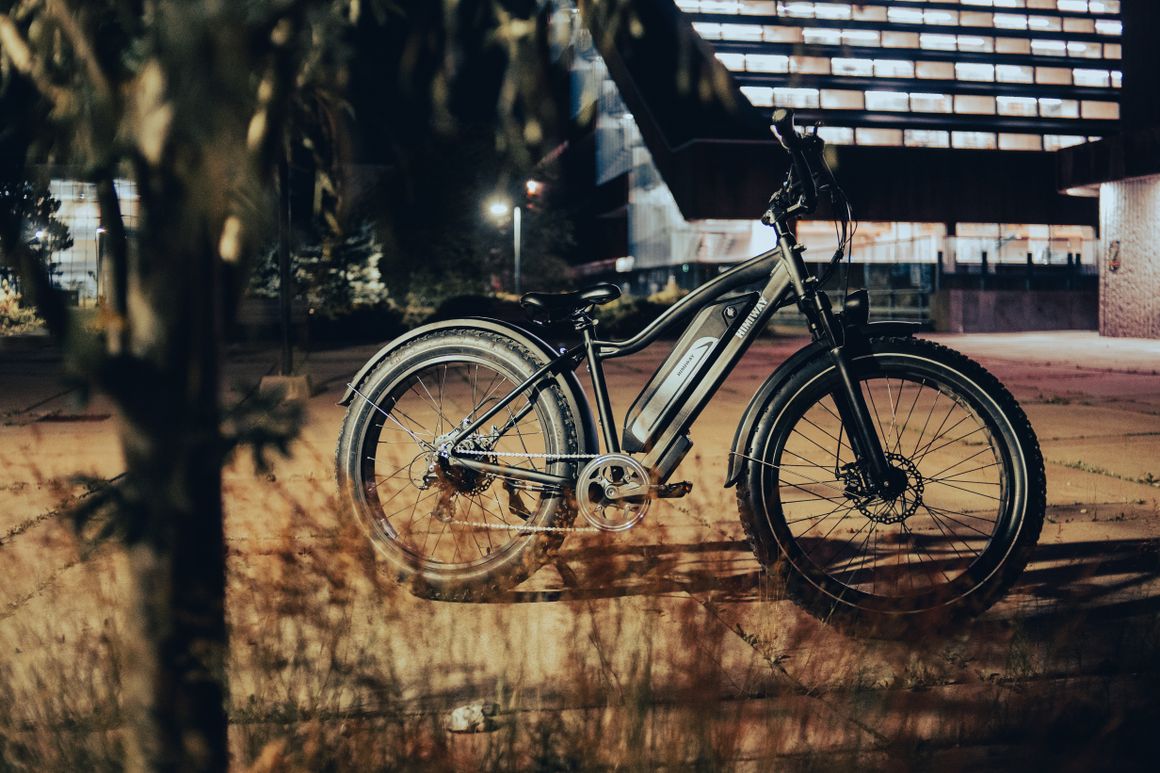
Electric bike parked at night near city lights
E-Bike Notes E-bike riders should consider speed, charging habits, handlebar space, and accessory placement.
Special Setups

Consider bike type.

The right light setup depends on more than the route. Handlebar shape, racks, bags, cargo, helmets, fenders, and electric controls can all affect where lights fit and how visible they remain.

Commuter Bikes

Prioritize easy removal, dependable charging, side visibility, and a rear light that stays visible around racks and bags.

E-Bikes

Choose stable mounting and a beam that supports higher cruising speeds, especially on darker roads and long connectors.

Cargo Bikes

Add visibility around wider profiles, delivery bags, child seats, panniers, trailers, or rear cargo areas that may block standard lights.

Road Bikes

Look for compact lights, secure brackets, clean cable clearance, and a beam pattern that supports pace without excessive glare.

Feature Decoder

Read the specs clearly.

Product pages can list many numbers. These five details help you compare bike lights more practically and choose a setup that feels reliable after the first week.

Spec Guide
Lumens Output level Useful for comparing brightness, but best judged with beam shape, runtime, and riding environment.
Runtime Battery life Review runtime by mode. Maximum output often drains faster than the everyday setting.
Mount Fit and angle Check handlebar size, seatpost position, helmet compatibility, and vibration resistance.
Charging Power habit USB charging can be convenient when the cable, port cover, and battery indicator are easy to use.
Weather Road spray Look for sealed construction, protected charging points, and easy cleaning after wet rides.
Riding Rhythm

Plan for the unexpected.

Bike lights are most valuable when conditions change. A ride that begins in daylight may end after sunset. A familiar shortcut may be closed. Rain may reduce contrast. A reliable setup gives you options without making the bike feel cluttered.

Longer Than Planned

Keep a lower mode available so you can preserve battery when a route takes longer than expected.

Rain and Spray

Recheck mount grip and wipe the lens after wet sections so the beam stays clean and useful.

Shared Paths

Reduce glare and use a controlled angle around pedestrians, families, and other riders.

Urban Stops

Choose quick-release mounting when you regularly park outside, enter shops, or carry the bike indoors.

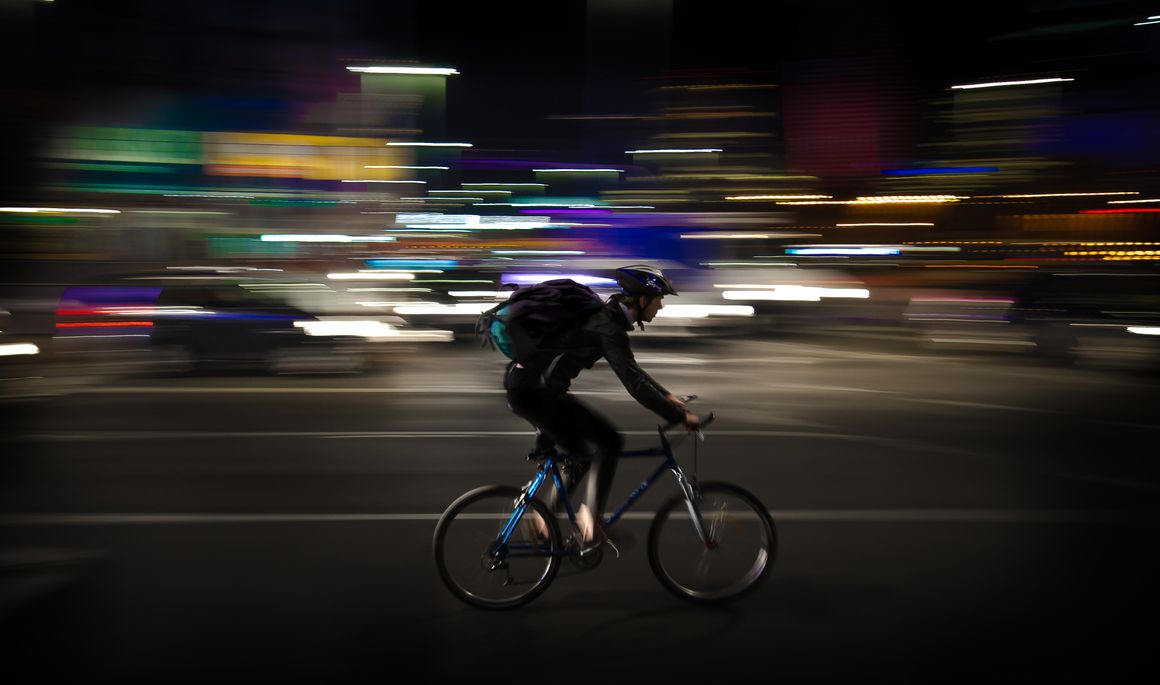
Cyclist riding through a city street at night with motion blur and lights
Changing Conditions The best setup supports traffic, weather, speed, road texture, and route changes.
Bike Light FAQ

Quick answers for confident rides.

Use these answers as a practical starting point when comparing front lights, rear lights, rechargeable options, and visibility accessories for your RideSphere setup.

Do I need both a front and rear bike light?

A front light helps you see the road and signal your direction, while a rear light helps others notice you from behind. For most low-light riding, using both creates a more complete visibility setup.

Is the brightest bike light always the best choice?

Not always. Brightness is important, but beam shape, glare control, runtime, mount stability, and your riding environment often matter just as much.

How should I aim my front bike light?

Aim the strongest part of the beam toward the road ahead, not directly at eye level. Test the light while seated in your normal riding posture and adjust after rough pavement.

What should I check before a night ride?

Confirm battery level, mount angle, rear visibility, lens cleanliness, weather seals, and backup power. Also check that bags, jackets, racks, or cargo do not block the light.

Are flashing modes useful?

Flashing or pulsing modes can help attract attention in some conditions, especially during daylight or traffic. Use them responsibly and avoid settings that distract or dazzle others.

What RideSphere service benefits apply?

RideSphere offers 24/7 customer support, free shipping on all products, standard delivery in 3-5 business days, and 30-day free returns and exchanges on eligible items.

How do RideSphere discounts work?

Email subscribers receive an automatic 15% sitewide discount after successful subscription, and selected promotional products may receive an automatic 20% discount when the promotion is active.

Need More Help?

Ride brighter with the right setup.

RideSphere can help with bike lights, bike locks, bike bags and storage, pumps and tire repair, water bottles and cages, phone mounts, reflective gear, commuter backpacks, e-bike accessories, and other urban riding essentials.

Customer Care 24/7 support for order questions, product guidance, shipping help, returns, exchanges, and payment-related support.
Shipping Free shipping on all products, with standard delivery usually taking 3-5 business days after processing and shipment.
Returns Eligible items may be returned or exchanged within 30 days. Contact support first before sending any item back.
Discounts Email subscribers receive an automatic 15% sitewide discount, and selected promotional products may receive 20% off automatically.

RideSphere Bike Light Guide. Built for commuters, night riders, e-bike users, road cyclists, and everyday urban mobility.