LOW
Short daylight stops
For quick errands in a visible area, use a reliable U-lock or folding lock through the frame and rack. Keep the bike close, avoid hidden corners, and never rely on a cable alone as the main lock.
A good bike lock is not only about thickness. It is about matching the lock style to your route, parking time, frame shape, wheel setup, and real security risk around your destination. Use this guide to choose a lock setup that feels practical, portable, and confidently secure for daily commuting.
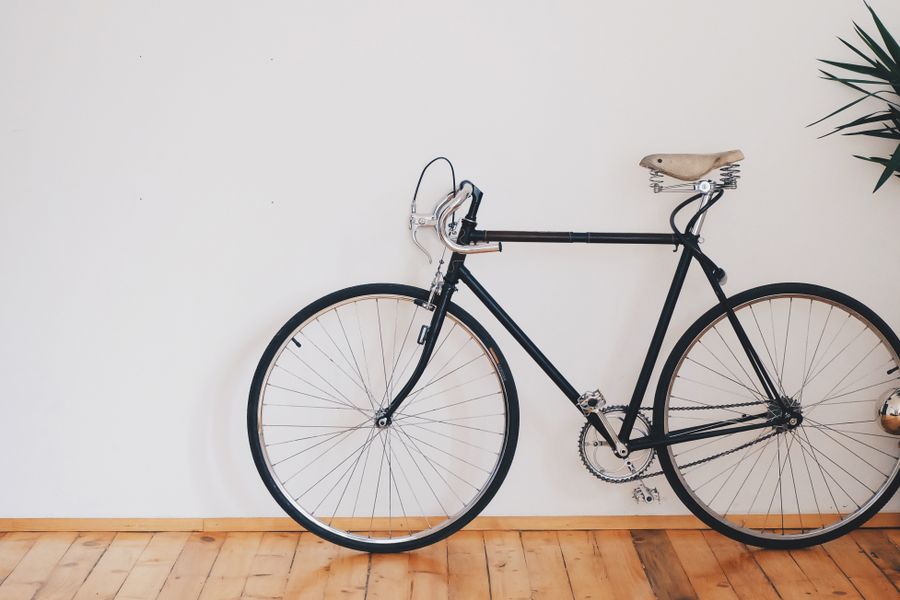
The same lock is not ideal for every ride. A quick cafe stop, an office commute, a campus rack, and an overnight street lockup all need different levels of security and convenience.
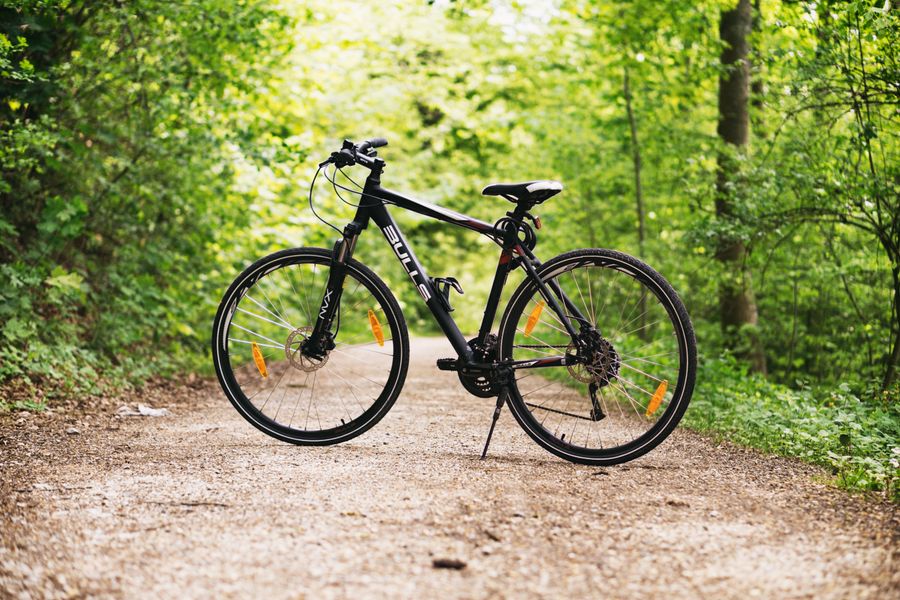
For quick errands in a visible area, use a reliable U-lock or folding lock through the frame and rack. Keep the bike close, avoid hidden corners, and never rely on a cable alone as the main lock.
For work, school, transit stations, and regular public racks, choose a stronger U-lock or chain lock. Add a secondary cable or wheel lock if your wheels, saddle, or accessories are easy to remove.
In higher-risk areas, use two different lock styles. Pair a hardened U-lock with a chain or folding lock so the bike requires more tools, more time, and more exposure to steal.
Avoid overnight outdoor parking when possible. For e-bikes, premium bikes, or cargo setups, combine a heavy lock, a secondary lock, removable battery storage, and a well-lit anchor point.
Every lock style has a different balance of strength, weight, carrying comfort, and flexibility. The best choice is the one that fits both your security needs and your daily riding habits.
Strong, compact, and dependable for everyday riders. Choose enough shackle space to fit your frame and rack without leaving too much empty room inside the lock.
Flexible around awkward racks, thick posts, and cargo bike frames. Better chains can be heavy, so they work well for high-risk parking or riders who value flexibility over weight.
Neat, portable, and easy to mount on the bike. They offer more reach than many U-locks while staying cleaner and more compact than most chains.
Best used as a companion, not the main security layer. A cable can help secure a front wheel, helmet, or small accessory when paired with a stronger primary lock.
A lock should fit your frame, rack style, wheel size, and carrying method. Before choosing, think about where your bike needs protection and how easy the lock will be to use when you are in a hurry.
The frame is the priority. Run the primary lock through the main triangle of the bike and around a solid, fixed rack or post.
A loose lock gives thieves more room to twist, pry, or position tools. Fill the inside space with the frame, wheel, and rack when possible.
Quick-release wheels, saddles, baskets, lights, batteries, and bags should be secured or removed before leaving the bike unattended.
A lock that is too awkward may be left at home. Choose a frame mount, bag pocket, basket, or rack carry method that fits your real routine.
Even a strong lock can perform poorly when used carelessly. Better placement and smarter parking habits can make your setup much harder to attack.
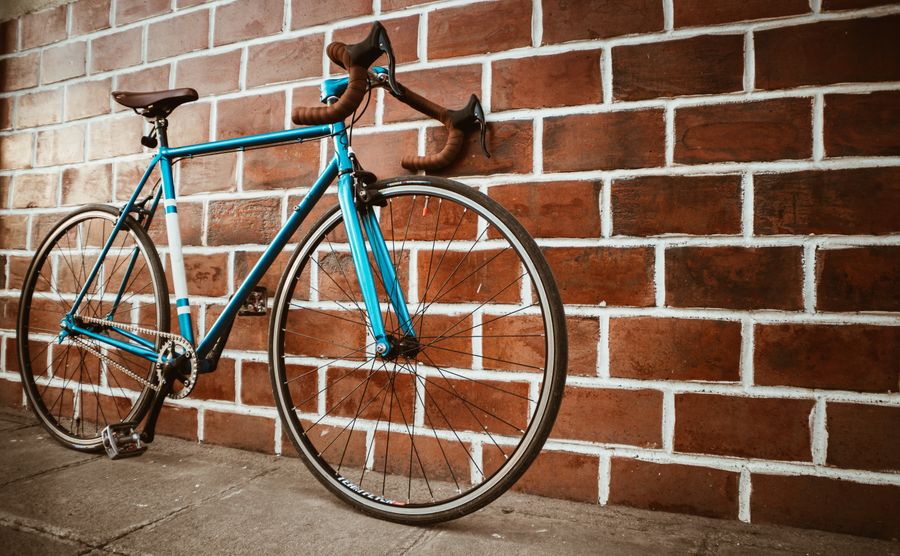
Extra space can make the lock easier to twist or attack. Keep the lock snug around the frame, wheel, and rack whenever your setup allows it.
Avoid signposts that can be lifted, thin rails, loose fences, small trees, or anything that can be cut, removed, or carried away.
When a lock sits on the ground, it may be easier to strike with force. Position it higher and tighter to limit leverage.
Lights, batteries, phone mounts, bags, and helmets should be removed or secured with a secondary layer when the bike is unattended.
A simple routine helps you stay consistent. The goal is to reduce opportunity, increase effort, and keep your lock setup easy enough to repeat every ride.
The primary lock passes through the frame and a solid anchor. If possible, it also captures one wheel.
The rack or post is fixed, strong, visible, and not easy to lift, unbolt, cut, or move.
Lights, bags, computers, batteries, and loose cargo are removed or protected before leaving the bike.
The lock is tight, off the ground, and not placed where tools can easily gain leverage.
For longer stops, add a cable, chain, or second lock to protect wheels and increase attack time.
Well-lit, active, visible parking is usually safer than isolated corners, hidden alleys, or empty racks.
These quick answers help you choose a practical lock setup for commuter bikes, e-bikes, travel bikes, and everyday urban rides.
One strong lock can work for short stops in lower-risk areas, but longer parking and higher-value bikes benefit from two layers. A U-lock plus a chain, folding lock, or cable makes the bike harder to steal quickly.
Choose a U-lock when you want compact strength for everyday commuting. Choose a chain lock when you need more reach, more flexibility around awkward anchors, or a heavier setup for higher-risk parking.
Cable locks are best as secondary protection. They can help secure a front wheel or accessory, but they should not be the only lock for a commuter bike in public parking.
Place the primary lock through the frame and a fixed anchor. Keep it tight, off the ground, and positioned so there is limited room for twisting, cutting tools, or leverage attacks.
E-bikes often need stronger protection because they are higher value and heavier. Use a strong primary lock, consider a second lock, remove the battery when possible, and avoid leaving the bike outside overnight.
For lightweight travel bikes, a folding lock or compact U-lock can be easier to carry. If you park in higher-risk areas, add a secondary cable or choose a stronger lock even if it adds weight.
The right bike lock setup should feel protective without slowing down your routine. Start with your parking risk, choose a lock type that fits your frame and carry style, then build a consistent habit every time you stop.
For most daily riders, the best starting point is a strong primary lock, a secure parking location, and a repeatable locking routine.