Visibility
Front and rear lights
A front light helps you see and be seen. A rear light creates a clear position signal for traffic behind you. For commuters, easy charging and quick-release mounts are essential.
A well-planned commuter setup should make every trip feel calmer, safer, and easier to repeat. This guide helps riders choose the right mix of lights, locks, bags, tools, weather protection, phone mounts, and cargo accessories for city streets, bike lanes, transit connections, and everyday errands.
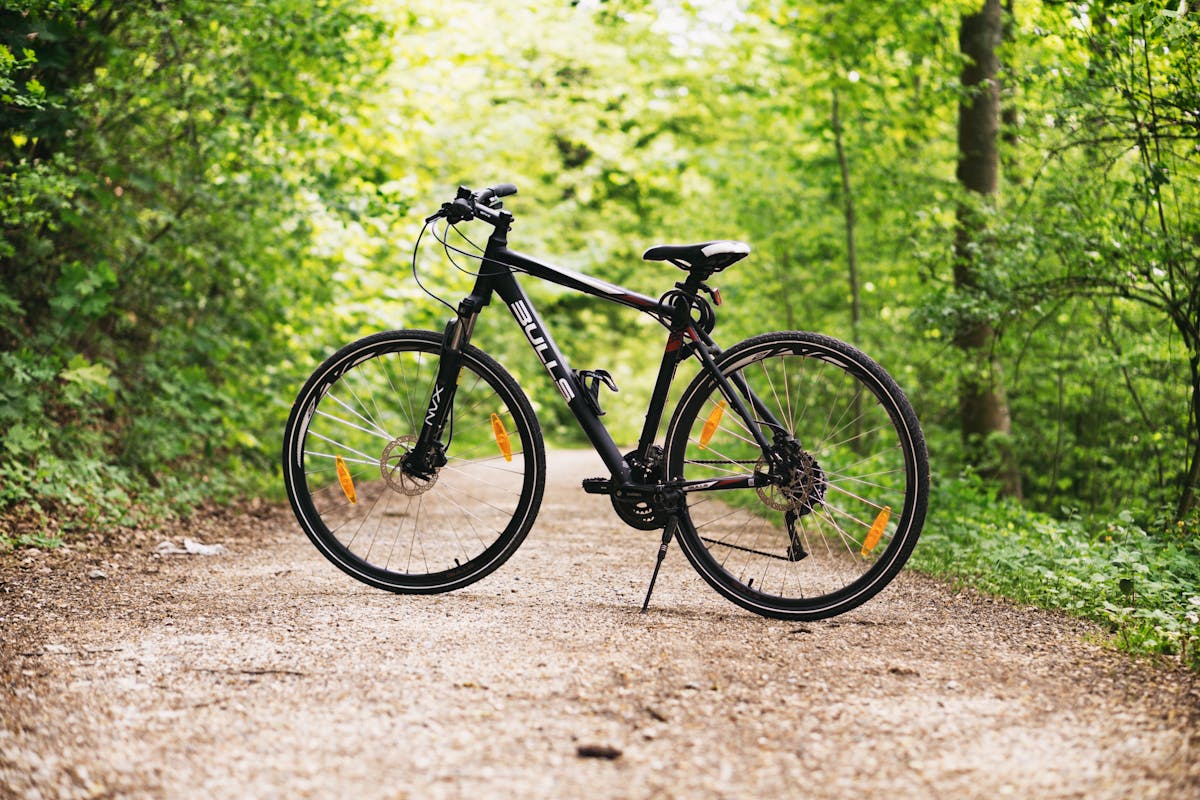
The best gear is not the most complicated gear. It is the gear you actually use every day because it is easy to mount, easy to carry, easy to clean, and dependable when the commute gets unpredictable.
A front light helps you see and be seen. A rear light creates a clear position signal for traffic behind you. For commuters, easy charging and quick-release mounts are essential.
Match your lock to parking risk. Short cafe stops, office racks, campus parking, and overnight storage each need a different balance of weight, strength, and convenience.
A stable commuter bag should hold daily items without swinging, rubbing, or blocking movement. Look for weather resistance, clean organization, and comfortable access.
A compact repair kit, tire support, reflective layer, and rain protection can turn a difficult ride into a manageable one when the route changes without warning.
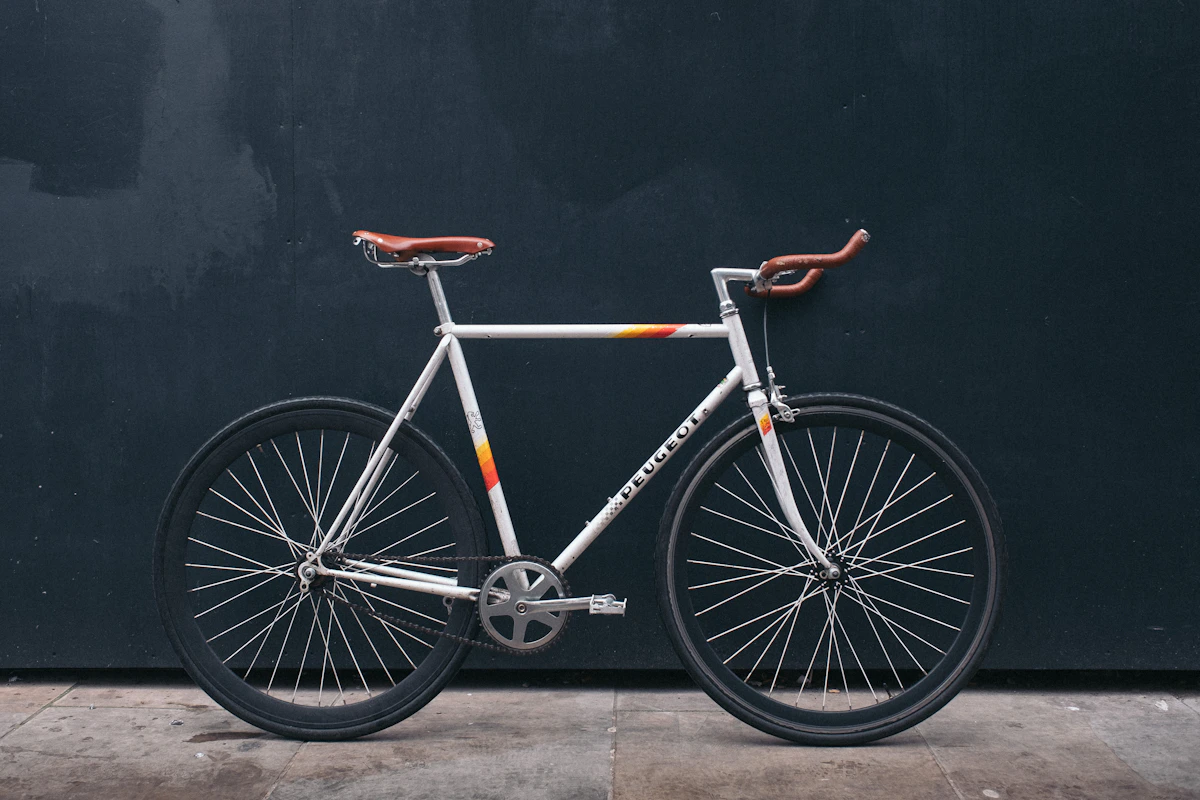
A five-minute ride to a train station should not use the same setup as a long cross-town e-bike commute. Build your kit around your real route instead of buying accessories one at a time.
Prioritize a bright rear light, compact lock, phone mount, and small saddle or frame bag for keys, wallet, and repair basics.
Choose a commuter backpack or rack bag with laptop space, structured pockets, water resistance, and reflective details.
Compact folding bags, quick-release mounts, portable tools, and lightweight locks help when you combine riding with buses, trains, elevators, or office storage.
Use stronger lighting, secure mounting, heavier-duty locks, weather protection, and cargo accessories that stay stable at higher commuter speeds.
Commuter gear should solve specific problems: seeing, being seen, locking up, carrying daily items, repairing small issues, staying dry, and keeping navigation visible.
Use steady or pulsing modes based on traffic, daylight, and local conditions. Keep charging simple so lights are ready every morning.
A stronger lock may weigh more, but it is often worth it for longer stops, public racks, high-traffic areas, and e-bike parking.
Backpacks, panniers, frame bags, and cargo bags each change how the ride feels. Choose the style that keeps weight stable.
A multitool, tire repair option, mini pump, and compact organizer can help you handle common issues before they end the ride.
A lightweight rain shell, waterproof bag cover, fenders, and reflective weather layers make daily riding easier to repeat.
A stable phone mount should hold position without blocking controls, lights, bells, or hand movement on the bar.
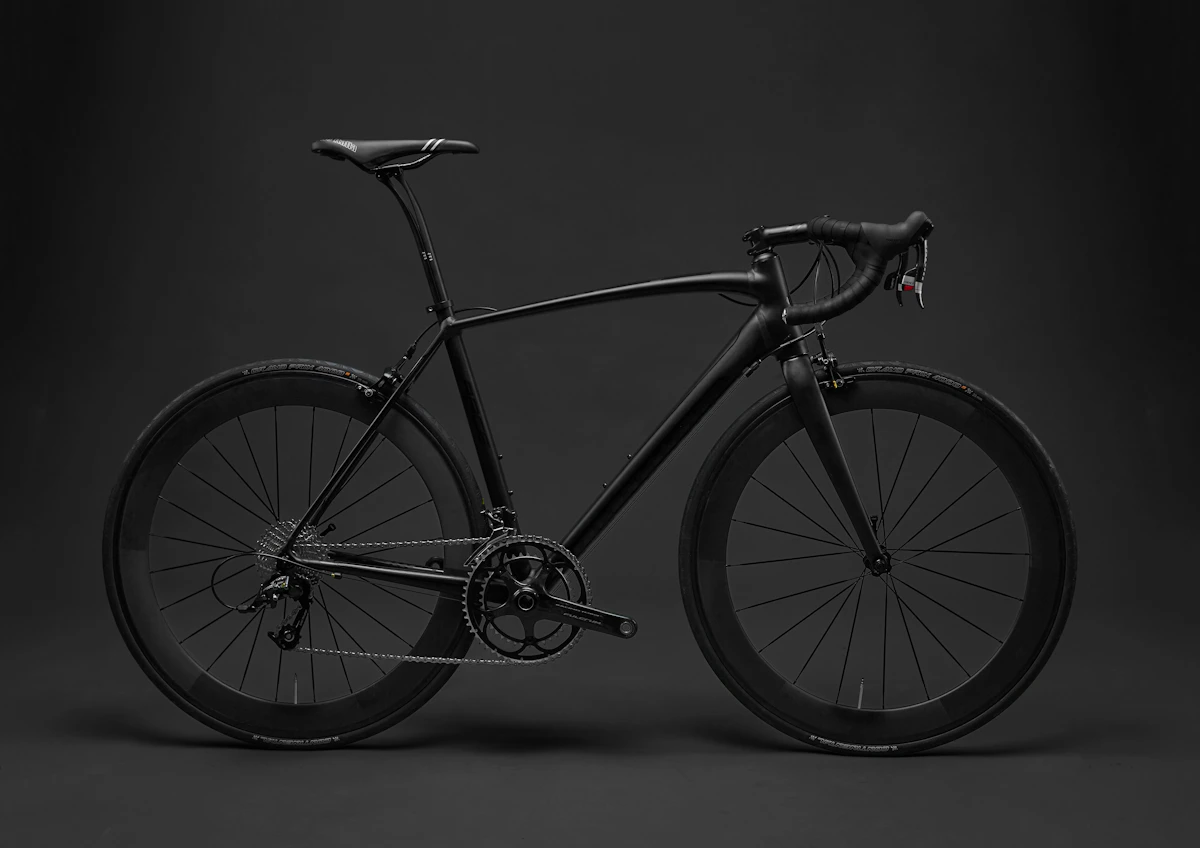
A repeatable routine prevents forgotten lights, loose mounts, dead batteries, and missing repair tools. Use this simple flow before leaving home or work.
Check front light, rear light, phone, and any rechargeable accessory before the ride begins.
Confirm the lock, keys, mounting brackets, bag closures, and bottle cage are ready and stable.
Place heavy items low, keep essentials reachable, and separate clean items from tools or wet gear.
Add reflective pieces when riding near traffic, in rain, at dawn, at dusk, or under streetlight shadows.
Start with a short brake check, look over tire condition, and confirm nothing rubs or swings.
Before choosing a bag, lock, light, or mount, ask how it performs during your worst normal commute, not only your easiest ride. The right product should save time, reduce stress, and make the route feel more predictable.
Check handlebar diameter, rack compatibility, frame clearance, tire size, cable routing, and how the accessory attaches before choosing.
Look for sealed zippers, coated fabrics, secure lids, corrosion-resistant hardware, and easy cleaning after wet rides.
Consider lock rating, lock length, frame contact, wheel protection, portability, and how long your bike stays unattended.
The best commuter gear is simple to remove, easy to charge, quick to pack, comfortable to carry, and reliable after repeated use.
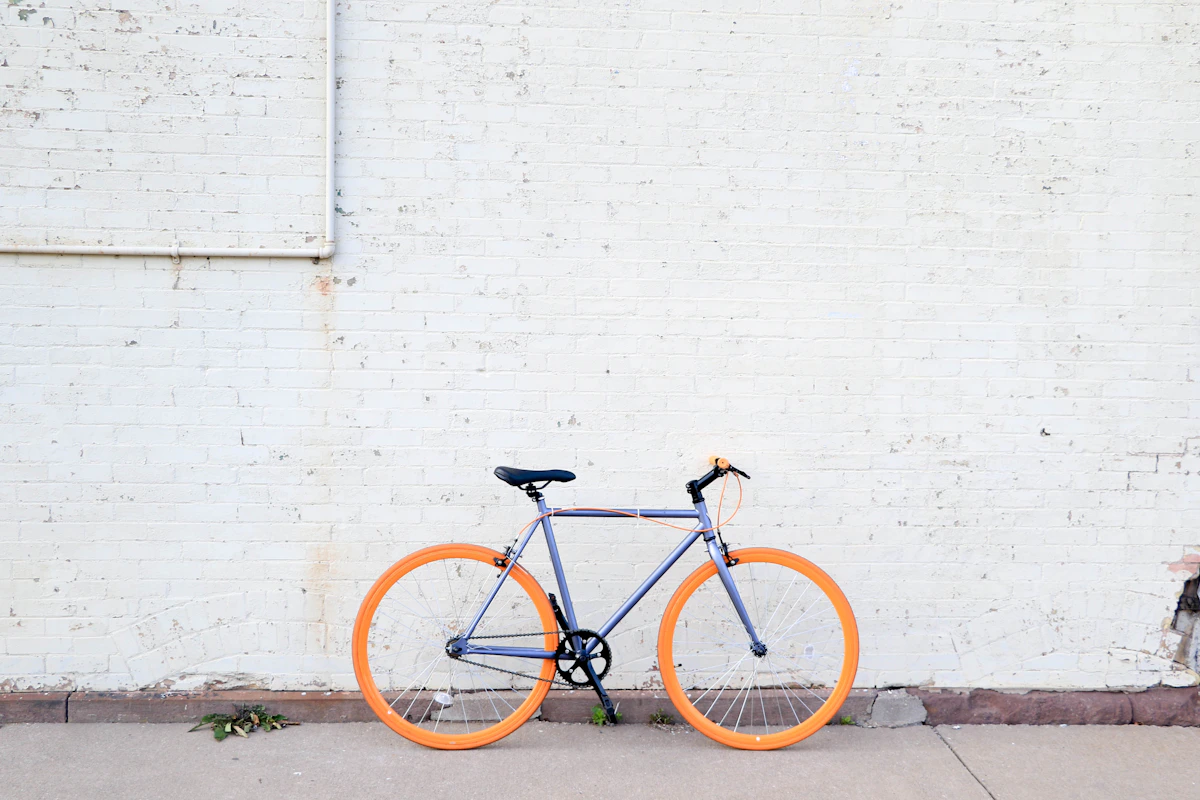
Commuter accessories work hard. They face road dust, rain, vibration, handling, parking racks, and daily packing. A few quick care habits can prevent the small failures that interrupt a ride.
Wipe dust from lenses, check straps or brackets, and recharge before the battery becomes a problem.
Remove grit, avoid forcing the key, and store the lock where it does not scratch the frame.
Empty wet pockets, air out liners, and check straps after heavy loads or rainy rides.
Make sure phone mounts, light mounts, and cargo attachments stay tight without crushing cables or grips.
Use these answers to refine your setup before buying new accessories or changing the way you pack your ride.
Start with a front light, rear light, practical lock, compact repair basics, and a stable way to carry daily items. After that, add weather protection, reflective gear, and phone mounting based on your route.
A backpack is simple and flexible, a pannier keeps weight off your shoulders, and a frame bag is great for compact essentials. Choose based on load size, riding distance, weather exposure, and how often you remove the bag.
Higher-risk parking needs a stronger lock. Public racks, long stops, e-bikes, and overnight storage usually justify a heavier lock or a two-lock strategy.
Yes. Lights create active visibility, while reflective surfaces help drivers notice movement and body position when headlights hit them. The two work best together.
Prioritize a waterproof or water-resistant bag, rain shell, fenders, reliable lights, reflective details, and a small dry pouch for electronics or documents.
Plan the handlebar before adding accessories. Leave space for brakes, shifting, grips, bell, light beam direction, and phone visibility. Use frame, saddle, or rack storage when possible.
The strongest commuter setup is not overloaded. It is balanced, visible, secure, weather-aware, and simple enough to use every day. Start with your real route, solve the most common friction points, then refine your kit over time.
RideSphere Commuter Gear Guide. Practical guidance for bike lights, locks, bags, mounts, tools, weather gear, and safer daily riding.